
September 2026
Siding looks like the simplest part of a house and it is where a surprising amount of water damage starts. Here is what actually keeps a wall dry.
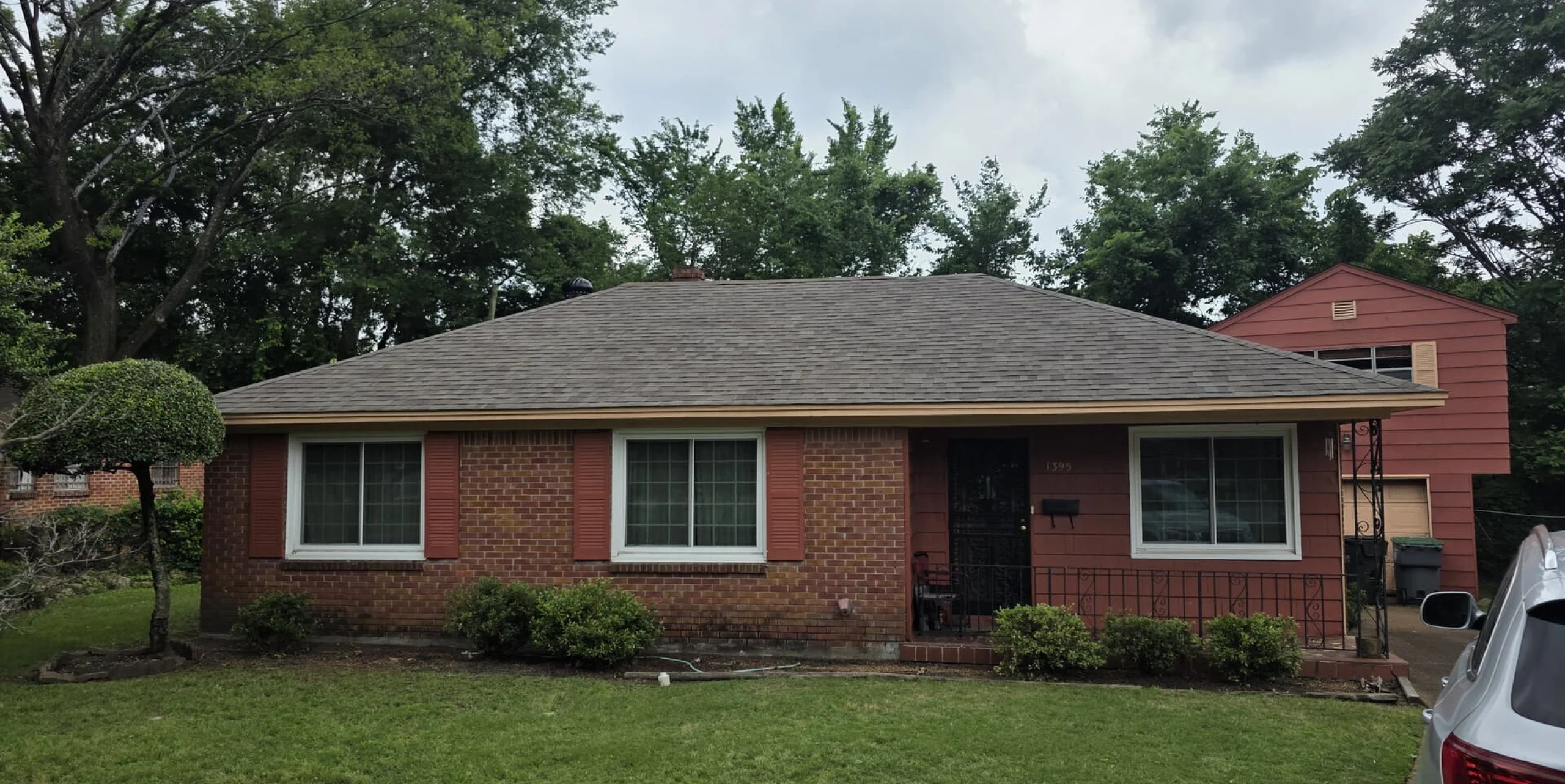
Siding is a rain screen, not a seal
No siding is watertight. It sheds most water and some gets behind it, which is expected and fine. What keeps the wall dry is the drainage plane behind the siding: the housewrap, and the flashing at windows, doors and transitions.
When we take siding off a wall with a problem, the story is almost always written on the housewrap.
This is why siding installed over damaged sheathing, or without proper flashing, can look perfect for years while the wall behind it quietly rots.
Insulated vinyl exists and it changes both the feel of the wall and the price. It is worth seeing a sample panel next to standard vinyl before deciding either way.
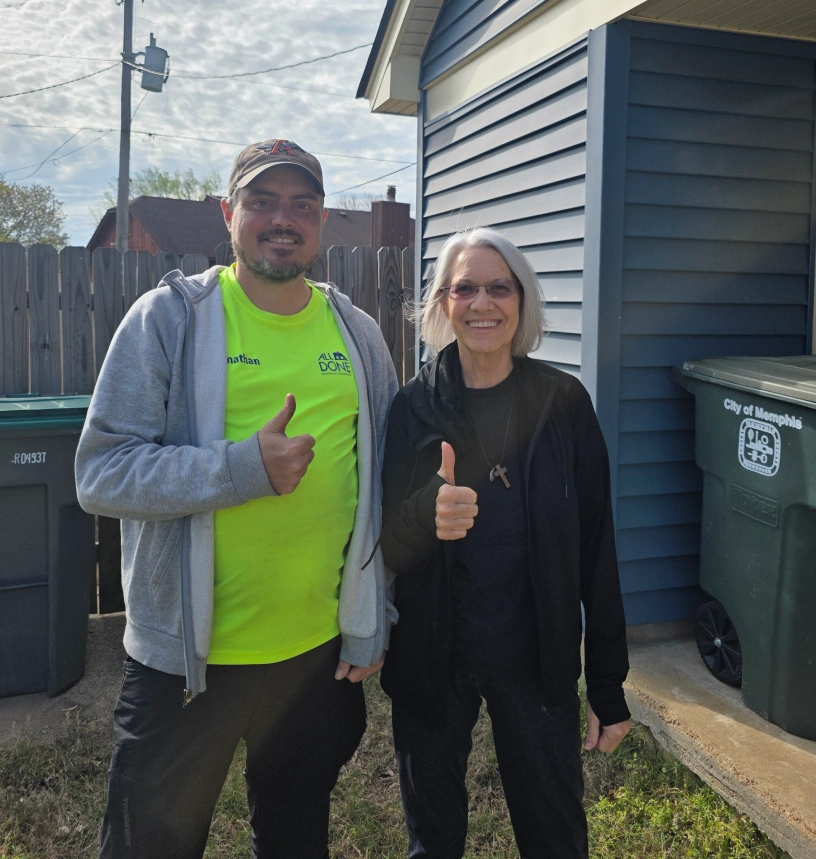
Vinyl needs room to move
Vinyl expands and contracts a lot between a January and a July here. That is why it hangs on nails rather than being fastened tight, and why there is deliberate clearance at the ends of each panel.
Nailed tight, vinyl buckles and waves in the first hot spell. Wavy vinyl is nearly always an installation issue rather than a product issue.
It also means panels can be replaced individually, which makes repair after storm damage straightforward when you can match the profile and color.
Fiber cement is the other common option here, heavier and more durable than vinyl, with its own installation requirements around cutting and fastening.
Wood fails from the bottom and the ends
Water sits at the butt ends of boards, at the bottom course, and around windows. That is where rot starts, and catching it there is a board replacement.
Missing it means the sheathing goes, and sometimes framing, which is a much larger job. Poking suspect boards with a screwdriver once a year is a genuinely useful habit.
Keeping wood painted and sealed is not cosmetic, it is the maintenance that determines lifespan.
Whatever the material, look at how it terminates at the bottom, at corners and around openings. Those details are where installers separate themselves.
Exposure decides what lasts
A south or west facing wall takes far more ultraviolet and heat than a shaded north wall. The same material and the same coating will not perform the same on both.
Ground contact and splash zones matter too. A wall above a paved area that throws water back gets a harder life than one above a planted bed.
Good siding work accounts for which wall it is on, rather than treating the house as four identical surfaces.
And check the wall before it gets covered. Once siding is on, whatever was underneath is somebody's future problem.
Paint, caulk and the maintenance rhythm
On wood, the coating is the protection. A repaint before the old coat fails is straightforward. A repaint after bare wood has been weathering through several seasons involves repairs first, which is a different budget.
Caulk is maintenance, not permanent. Joints at trim, windows and doors move, and caulk has a service life measured in years. Walking the house once a year and looking at the joints catches this cheaply.
Watch the bottom edge everywhere. Splash from paving, mulch piled against siding, and sprinklers hitting the wall all put water where it does the most damage.
None of this is complicated. It is just noticing the house once a year instead of when something visibly fails.
Questions we get asked
Can you replace just the damaged section?
Usually with vinyl if we can match the profile and color. Weathering means an exact color match is not always possible on an older wall.
Is vinyl or wood better?
Different trades. Vinyl is lower maintenance and less repairable in place. Wood looks better to most people and needs upkeep.
Do you replace the housewrap?
On a full siding replacement, yes, along with flashing at openings. That is the part that actually protects the wall.
How do I know if there is rot behind it?
Soft spots, staining, bulging panels, or interior clues near exterior walls. A screwdriver point tells you a lot.
Do you paint as well?
Yes, exterior painting is part of what we do, and it pairs naturally with wood siding work.
What to take from this
Siding sheds water. The housewrap and flashing behind it keep the wall dry.
Wavy vinyl is almost always nailed too tight, not a bad product.
Wood rot starts at butt ends, bottom courses and around windows.
South and west walls need more from a coating than shaded ones do.
Get it handled
Jonathan Stephenson answers the phone himself, walks the roof, and gives you a written number. Serving Germantown, TN and the Memphis metro.